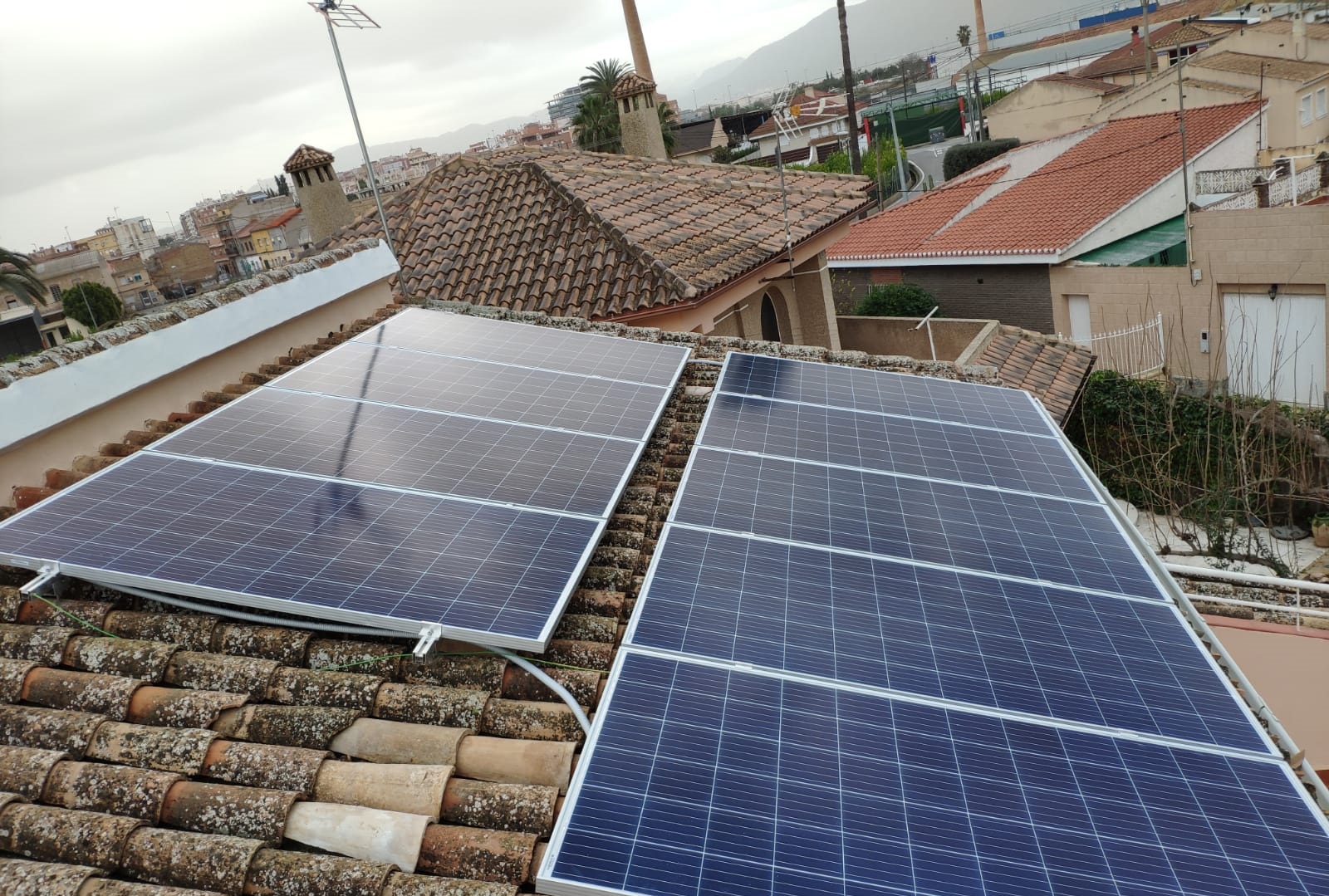
Clean energy employment in the United States surpassed 3.4 million workers in 2025, according to Department of Energy tallies — spanning solar installation, wind turbine maintenance, electric vehicle battery production, grid modernization, and efficiency retrofitting. Growth rates in several occupations exceed 15 percent annually, outpacing economy-wide averages even as fossil-fuel employment plateaus.
Where jobs are materializing
Texas leads absolute solar employment, while Iowa and Oklahoma dominate wind technician demand. Georgia and Michigan host expanding battery gigafactories tied to automotive electrification. Coastal states emphasize offshore wind workforce development — training programs in New Jersey and Virginia prepare workers for turbine installation in federal lease areas.
Rural counties benefit disproportionately: utility-scale solar and wind projects create temporary construction booms followed by permanent maintenance crews of ten to thirty workers per site — meaningful employment in communities with limited industrial diversification.
Training pathways
Solar installation requires shorter credentialing than wind turbine work, which demands climbing certification, electrical knowledge, and hydraulic systems literacy. Community colleges and union apprenticeship programs — IBEW partnerships prominent in several states — provide stackable certificates that allow workers to move from residential solar to commercial projects to grid-scale installations.
Policy tailwinds and constraints
Inflation Reduction Act tax credits accelerated project pipelines, though interconnection queue delays and local permitting opposition slow deployment in some regions. Trade policy on imported panels affects domestic manufacturing employment separately from installation work — analysts distinguish between factory roles and field roles when projecting growth.
Clean energy roles are not exclusively coastal or urban — the highest growth rates appear in Great Plains wind corridors and Sun Belt solar markets.
Outlook
Energy transition employment will continue expanding through 2030, with battery manufacturing and grid technician roles showing the steepest trajectories. Workers from declining fossil-fuel regions increasingly retrain through state-funded transition programs, though geographic mismatch between displaced workers and new project sites remains a policy challenge.